List Of products Made from Indian Sandalwood
Indian Sandalwood (Santalum album) is used to create a wide range of products across various industries, thanks to its unique aroma, medicinal properties, and cultural significance. Below is a list of products made from Indian Sandalwood:
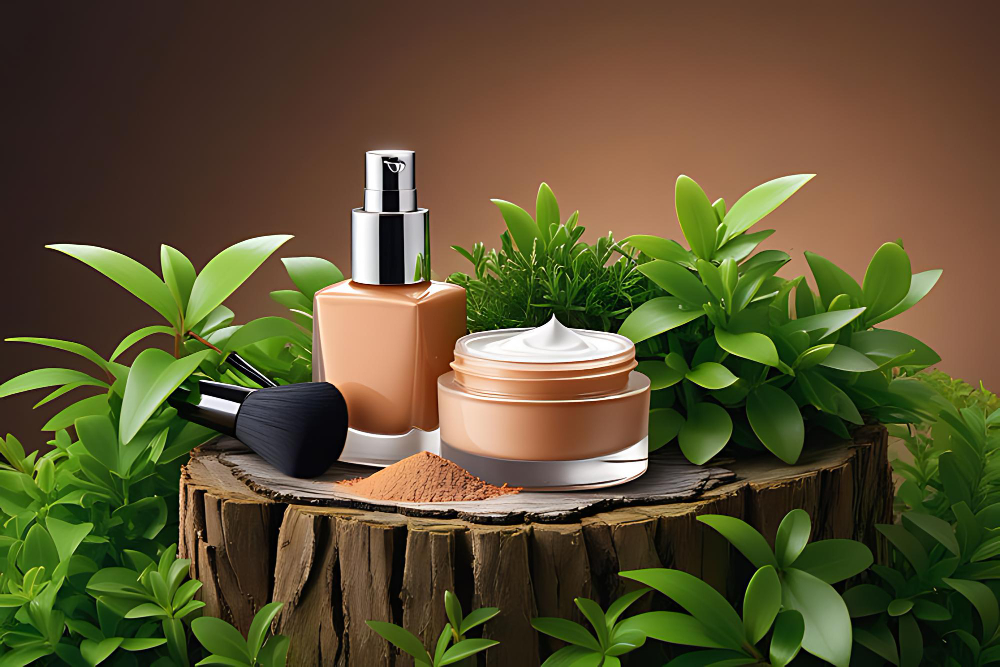
Cosmetics and Skincare Products
Sandalwood Soaps: Luxurious and fragrant soaps with soothing properties for the skin.
Sandalwood Creams and Lotions: Skincare products that utilize sandalwood for its anti-inflammatory and anti-aging properties.
Sandalwood Face Packs: Popular for treating acne, blemishes, and oily skin.
Body Scrubs and Exfoliants: Infused with sandalwood powder for its cleansing properties.
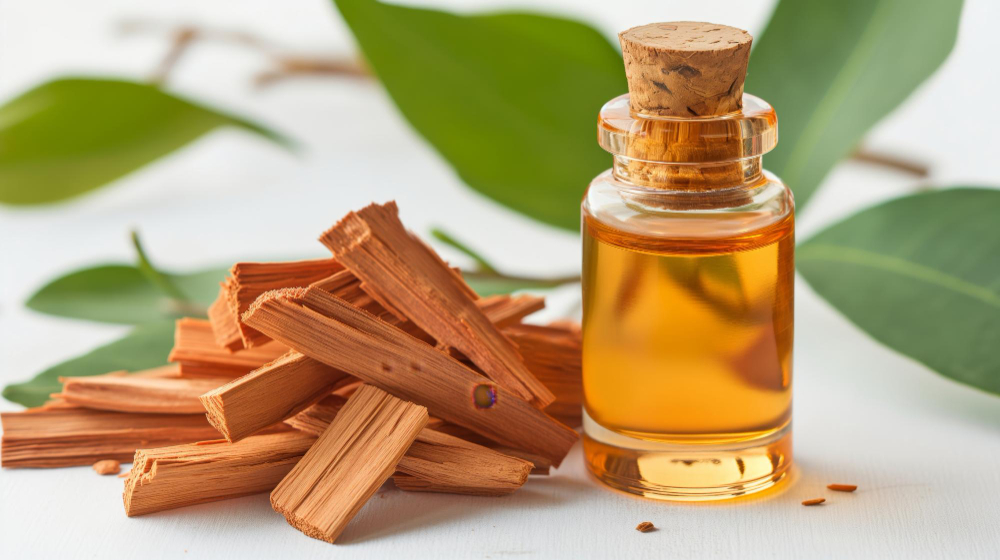
Medicinal and Ayurvedic Products
Sandalwood Paste: Traditionally used in Ayurveda to treat skin infections, rashes, and inflammation.
Ayurvedic Medicines: Sandalwood oil is used in formulations for treating fever, digestive disorders, and respiratory problems.
Sandalwood Tablets/Capsules: Supplementary medicines that use sandalwood for its antioxidant and anti-inflammatory benefits.
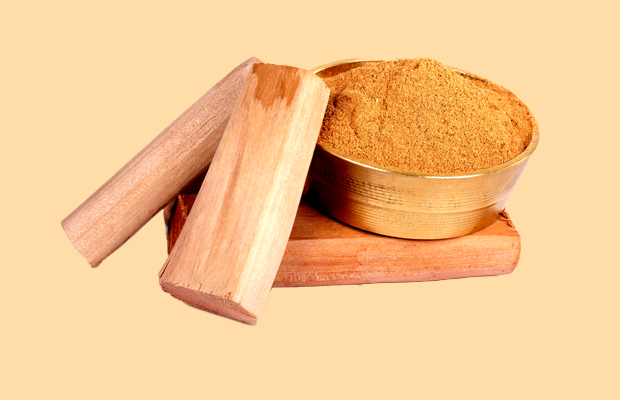
Religious and Cultural Products
Sandalwood Incense Sticks: Burnt during religious ceremonies, meditations, and in homes for its calming fragrance.
Sandalwood Powder: Widely used in Hindu rituals for offerings and spiritual practices.
Sandalwood Paste: Applied on the forehead in temples and during religious ceremonies.
Sandalwood Beads & Malas: Beads made from sandalwood for meditation and spiritual practices.
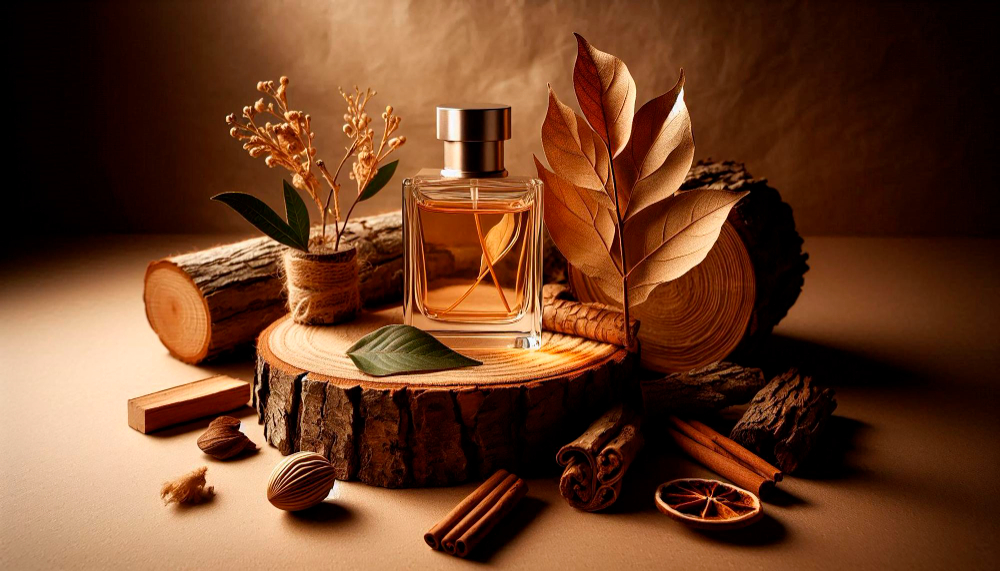
Essential Oils and Perfumes
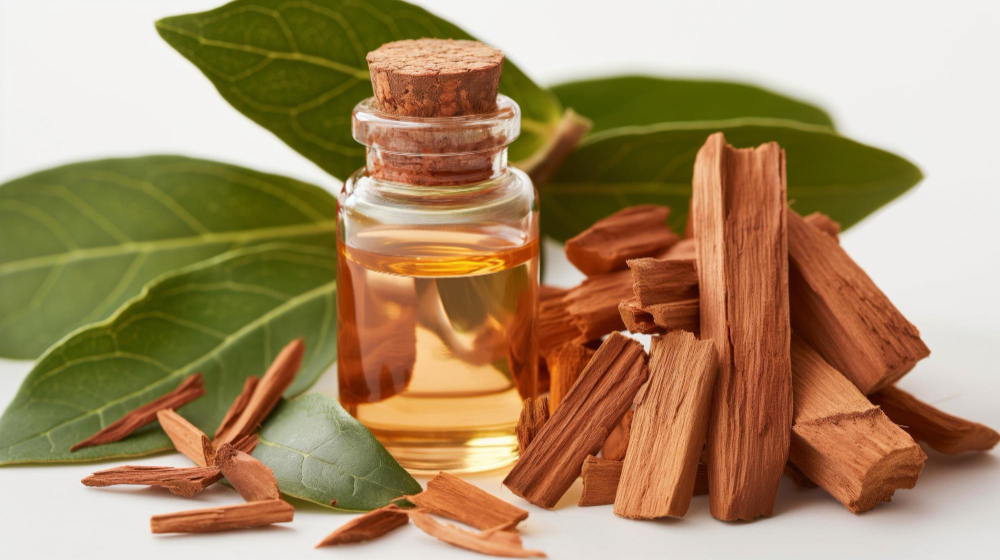
Sandalwood Oil: Extracted from the heartwood, used in perfumes, aromatherapy, and cosmetics.
Perfumes: High-end perfumes use sandalwood as a base note for its warm, woody fragrance.
Aromatherapy Oils: Used in diffusers for relaxation, stress relief, and mood enhancement.
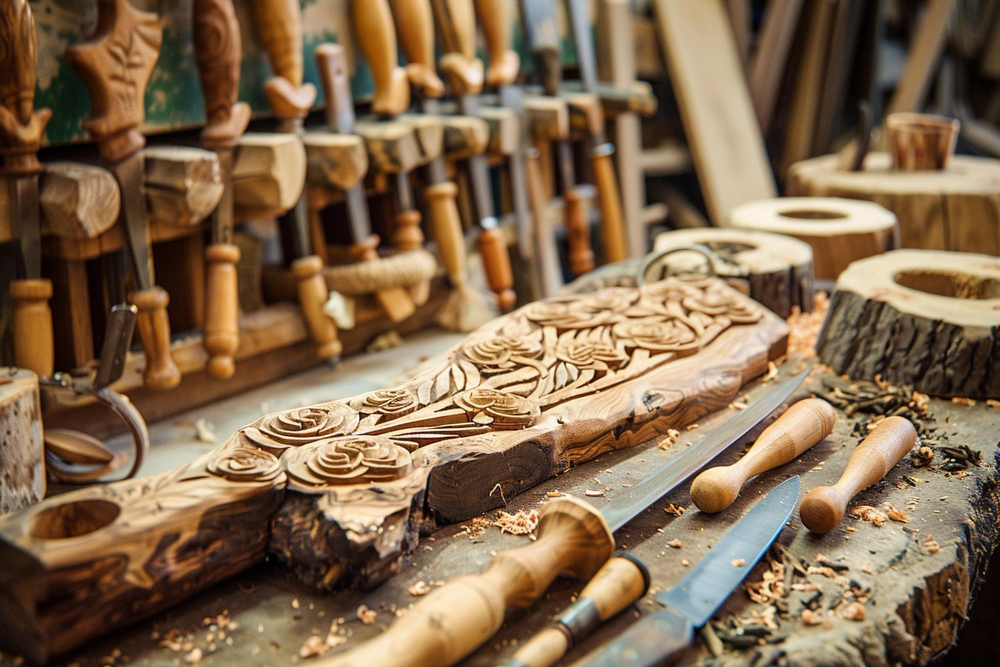
Handicrafts and Artefacts
Sandalwood Carvings: Intricately carved statues, idols, and decorative items made from sandalwood are highly valued.
Sandalwood Fans and Boxes: Luxury items crafted from sandalwood, often gifted or collected as souvenirs.
Sandalwood Jewelry: Bracelets, necklaces, and earrings carved from sandalwood.
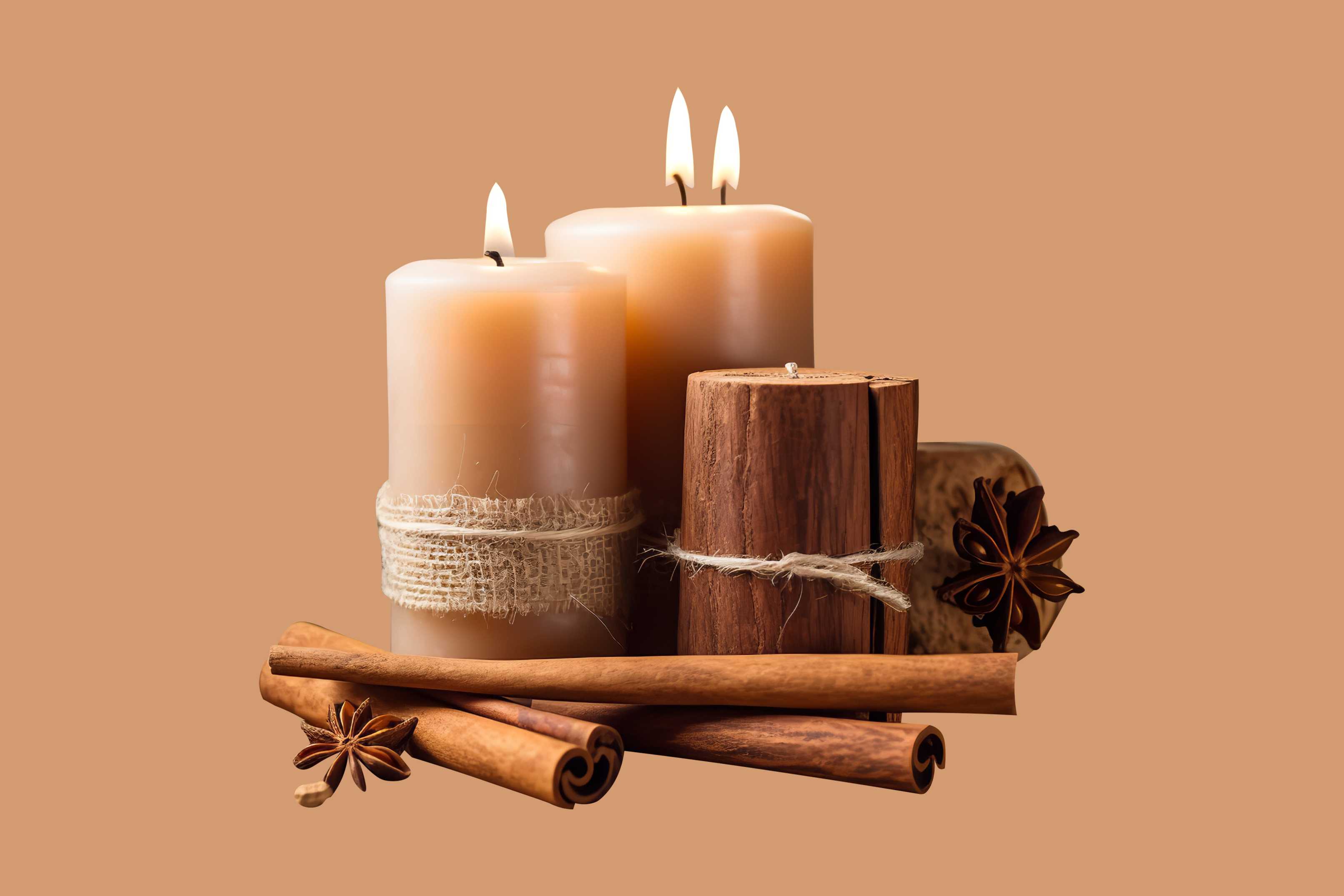
Home Fragrance Products
Sandalwood Candles: Used to infuse rooms with the warm, relaxing scent of sandalwood.
Room Fresheners and Sprays: Home fragrances made using sandalwood oil.
Sandalwood Scented Sachets: Placed in wardrobes, cars, and drawers to impart a fresh, woody aroma.
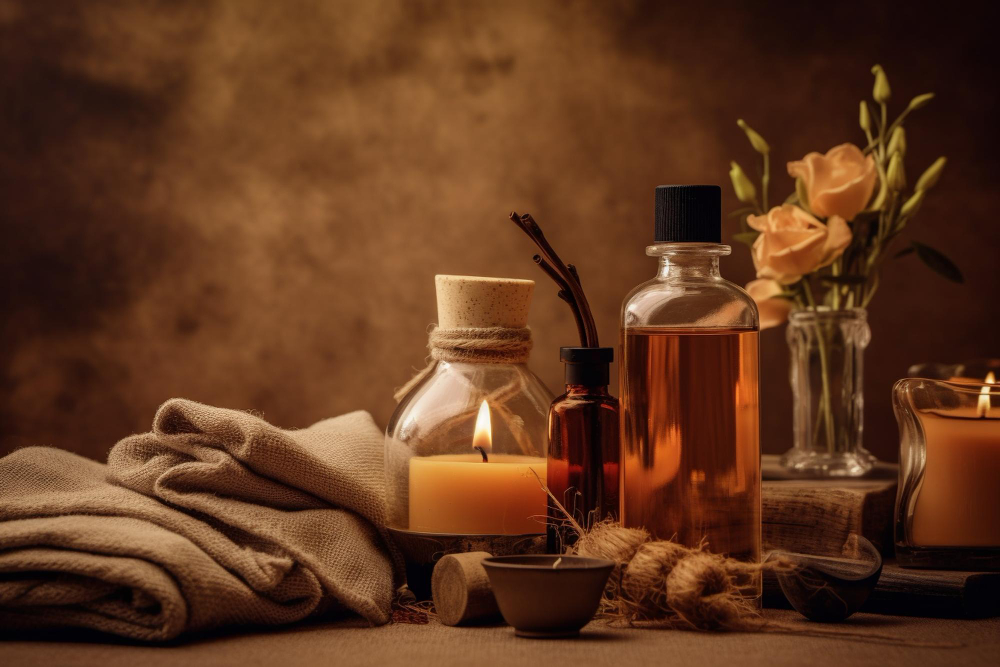
Therapeutic and Spa Products
Massage Oils: Blended with other essential oils for relaxing and therapeutic massages.
Bath Oils and Salts: Products used in spa treatments and home baths for relaxation and skin nourishment.
Sandalwood Balm: Used for headaches, migraines, and stress relief due to its calming effects.
Pharmaceutical and Health Care Products
Anti-inflammatory Creams and Ointments: Used for skin inflammation, wounds, and eczema.
Respiratory Aids: Sandalwood oil is sometimes used in steam inhalation for respiratory relief.
Antiseptic Lotions: Beneficial in treating wounds and skin infections.
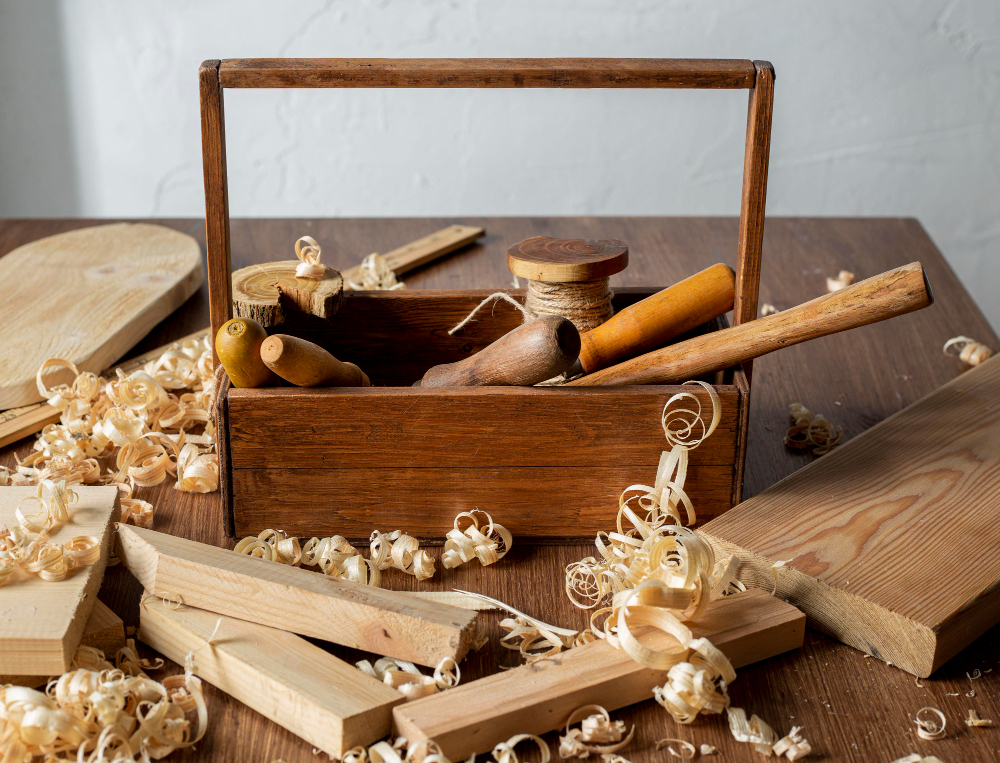
Wood and Furniture
Sandalwood Furniture: Although rare and expensive, some luxury furniture is made from sandalwood, valued for its durability and aroma.
Sandalwood Chips & Powder: Used as a base for producing high-end incense and in rituals.
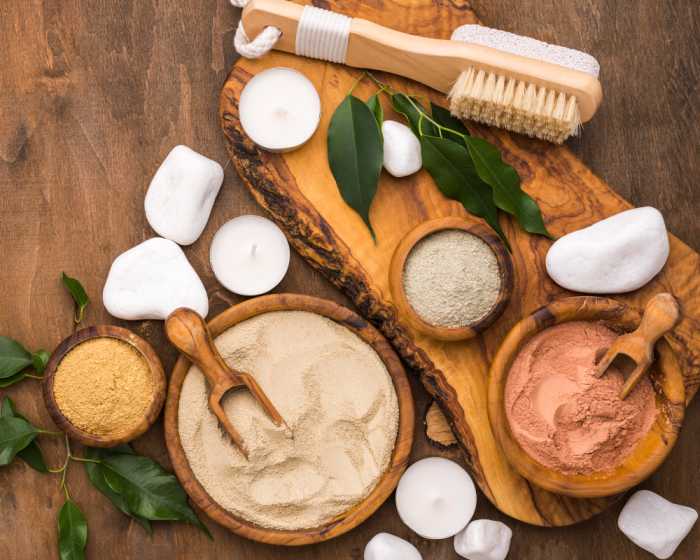
Grooming Products
Sandalwood Shaving Cream and Aftershaves: The oil’s soothing and anti-inflammatory properties make it popular in men’s grooming.
Sandalwood Hair Oils: Used in hair care for its pleasant aroma and soothing effects on the scalp.
Indian sandalwood has a wide array of uses, which is a major reason for its high economic value and enduring demand across global markets.